Nature, Sport and Well Being

logo

Judo Rising – Empowering girls to become judokas, is Erasmus+ Sports funded project. Building confidence, equality, and healthy lifestyles by bringing judo opportunities to rural communities in Croatia, Serbia and North Macedonia. Project Objectives are: 

1. Increase Rural Girls’ Participation in Judo Boost enrollment of rural girls in judo programs.
2. Enhance Psychosocial Well-being, Improve self-esteem, confidence, and social inclusion among rural girls.
3. Build Local Coaching Capacity, Increase the number of trained judo coaches in rural areas
4. Promote Sustainable Community Integration of Judo – Establish a sustainable network and create local events that promote judo as a tool for healthy lifestyles and social inclusion.

The innovative aspect of the project are:

1. New Project Methodology: Judo as a Tool for Engagement and Empowerment: A key innovative aspect of the project is the development of a specialized methodology that focuses on engaging young women and girls in judo.

2. Network of Young Women Judoka Ambassadors: Another innovative component of the project is the establishment of a network of young women judoka ambassadors. By involving young female judokas as role models and community leaders from the beginning, we will increase the project’s visibility and outreach. Their participation will also contribute to sustainability, ensuring that local networks of female judokas continue to grow beyond the project’s lifespan.


Walk and Talk project suppored by Erasmus+ Sports, is aimed at encouraging young women and girls to adopt a more active, healthier, and more inclusive lifestyle. The project lead organization is the Slovak Nordic Walking Assciation from Slovakia, togheter with the partners from Austria – Active Austria and North Macedonia – Mladiinfo International.

What is Walk & Talk?

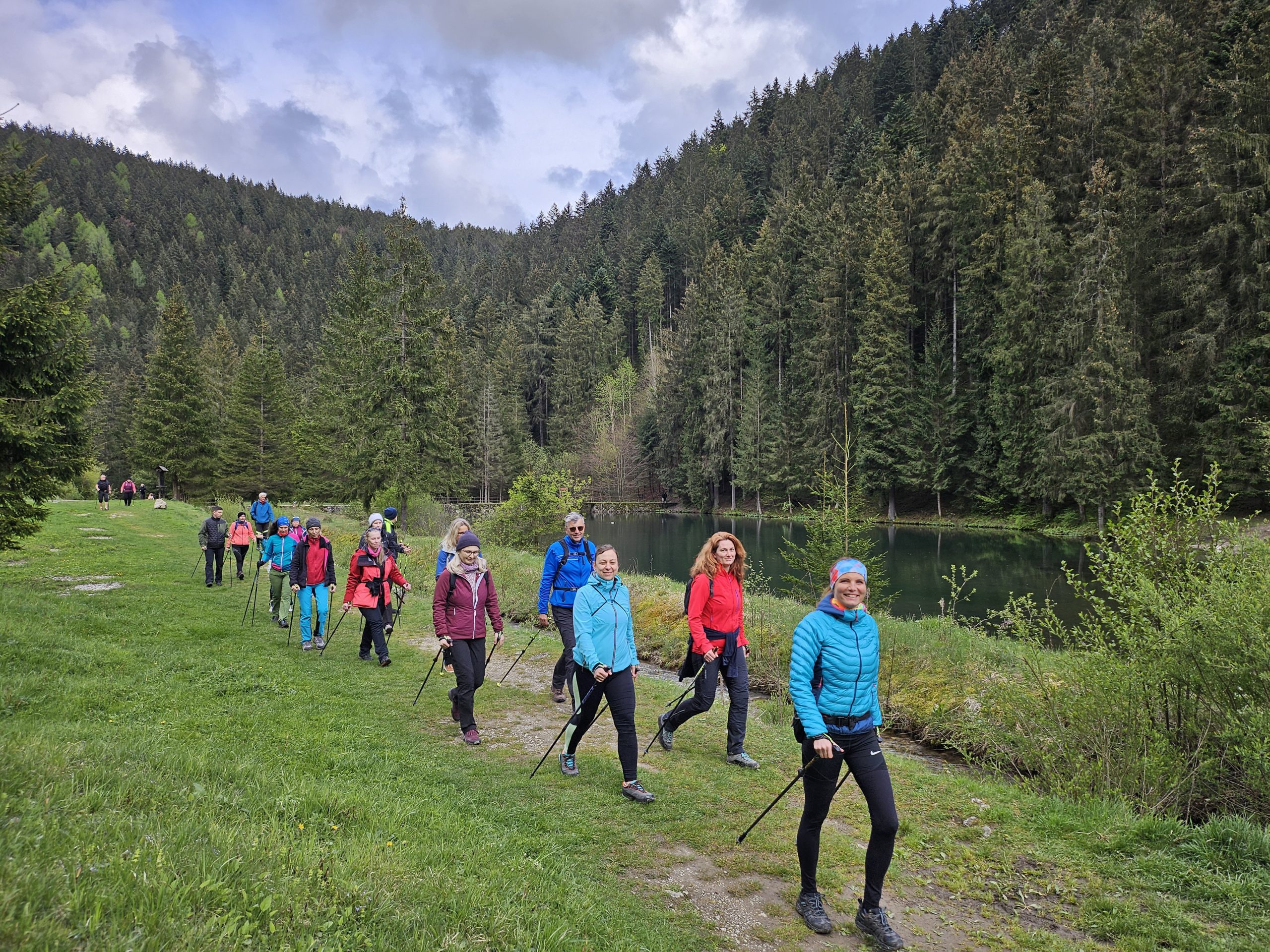
Walk & Talk is an initiative that uses the power of Nordic walking as a tool to improve physical and mental health, strengthen self-confidence, and build strong, supportive communities. The project creates a safe and welcoming environment where participants not only stay physically active, but also share experiences, ideas, and mutual support.

Project Objectives

The main objectives of Walk & Talk are to:

Encourage physical activity among young women and girls;

Support mental health through outdoor and nature-based activities;

Build self-confidence and a sense of belonging;

Create local communities of walking and hiking enthusiasts;

Raise awareness about environmental protection.

Activities and Environmental Dimension

In addition to regular Nordic walking activities, Walk & Talk actively promotes environmental responsibility. Project activities include waste collection, nature clean-up actions, and the promotion of sustainable behaviour while spending time outdoors.

As part of the project, a Walk & Talk Handbook will be developed, including: Suggested walking routes; Practical activities; Tips for safe and regular outdoor physical activity; Guidance on how to stay active in nature in the long term.

In North Macedonia, the Walk & Talk project will be implemented in cooperation with Psihoterapika and PSK H2O Healthy Hike Outdoor, combining expertise in mental health, sport, and outdoor activities.
Each year, thousands of people are puddling on kayaks around Europe in the harbors, rivers, and lakes collecting more than 42 tons of trash. Under the motto: “When you go green in sport, you are growing” the project Green Kayak was implemented, from July 2021 through December 2022.

Volunteers from all generations were fighting against environmental pollution while kayaking. The project aimed to increase awareness of combining water sports and the fight against Nature pollution. In Partnership with the European Canoe Association and other national Kayak/Canoe associations, several actions were organized, in four partner countries Bulgaria, Croatia, North Macedonia, and Serbia, as well as a Final Green Kayak Cleaning Regatta around Ohrid Lake and Drim River in North Macedonia.

Project results, i.e. delivered outputs were as follows:  A web platform about kayaking and using outdoor sports as a tool to take care of nature, a thirty-page report with Mapping of the local kayaking sports ecosystem, including details on the kayaking clubs, associations, and places that offer a possibility for kayaking in all project countries, and a Kayak/Paddle Clean up Toolkit, a thirty-page document including details on everything you need to know about Kayaking and how to organize Kayak/Paddle Cleanup.

Waste in nature is an issue that concerns all of us and it is our shared responsibility to protect our lakes, rivers, and seas. Kayaking is a sport that is environmentally friendly and does not harm the environment.

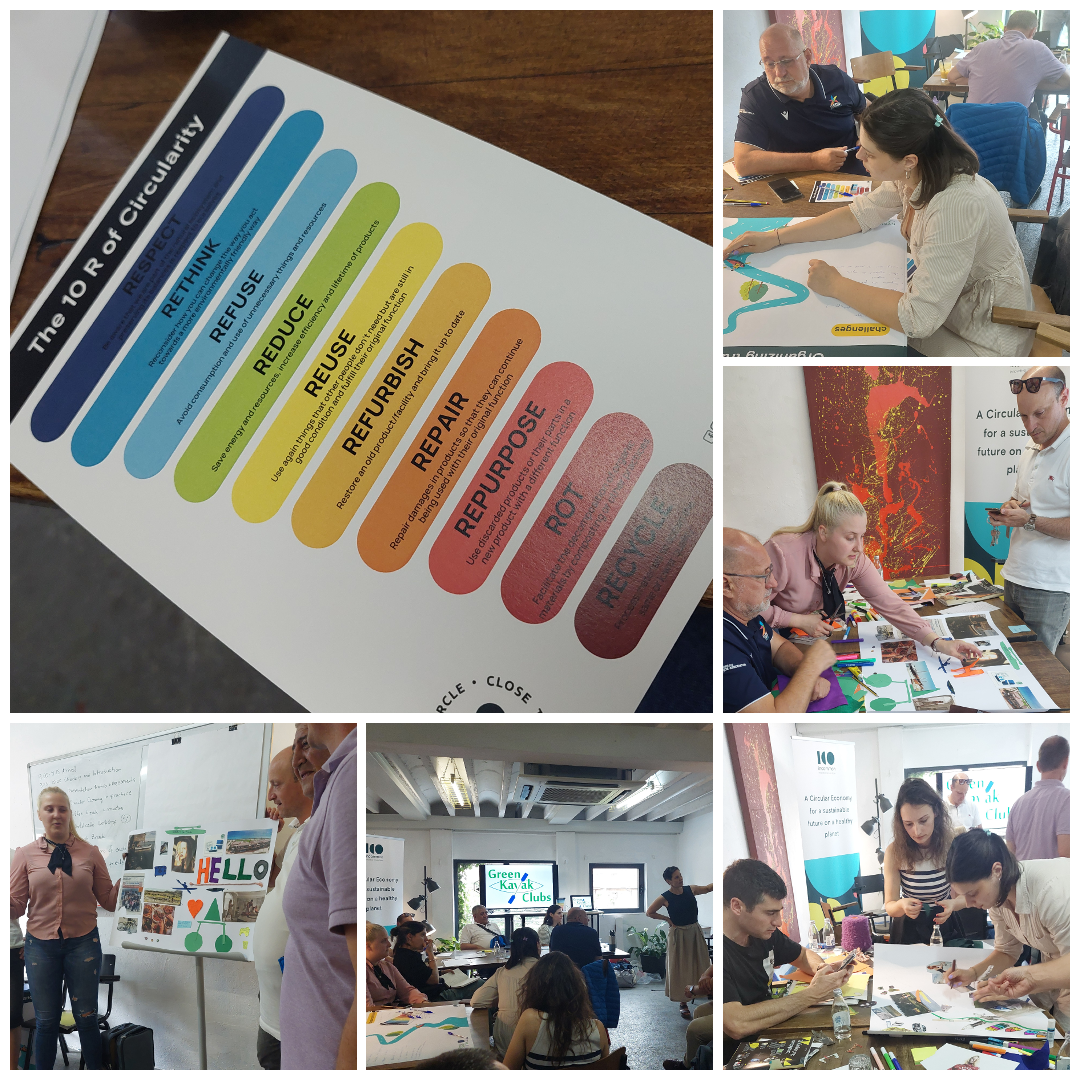
The Green Kayak Clubs Project’s goal is to raise awareness of the deep connection between the environment and water sports, creating long-lasting green attitudes in youth and young professional members of already green sports, such as kayak and canoeing. Project partner countries are Croatia, Greece, Serbia, and North Macedonia. Starting from the outcomes of the Green Kayak project, we decided to continue with a new methodology and approach while creating the project “Green Kayak Clubs”. This project aims to test the potential of the kayak sport sector, as a water sport and outdoor activity, to be a channel for the societal behavioral change needed for decreasing the environmental footprint of the kayak sports clubs and contributing fully toward the EU work Plan for sport 2021 -2024 by focusing on good governance so that sport leaders have the knowledge and skills to place environmental sustainability at the heart of their clubs’ strategies.

The cooperation with kayak organizations and the creation of a project in green field is an attempt to tackle two challenges:


1.     raising awareness among youth and the general population of how healthy kayaking/ canoeing as a water sport is including the focus on “we have to protect nature”, thus this project intends to teach youngsters how to protect the environment with cleaning actions but also with a daily “green” behavior.


2.     working with kayak sport clubs and their members on how to participate in the circular economy while they do a sport as well as to create daily life routines and change their behaviors toward sustainability and the environment.